|
|
|
|
|
|
|
Market Snapshot – Sat, Nov 22, 2025
-
|
The U.S. labor market showed surprising strength in job growth, though the unemployment rate ticked up, pointing to a tricky balance for the economy. Bloomberg
|
-
|
The manufacturing sector slowed in November, with the PMI dropping to 51.9 and inventories building while the services sector held up better at 55.0, showing mixed signals. Reuters
|
-
|
Consumer confidence took a hit in November, with the University of Michigan survey showing a drop in sentiment amid persistent inflation and weaker stock market impacts. The Wall Street Journal
|
-
|
Markets rallied broadly on the back of growing odds of a Federal Reserve rate cut in December (futures moved sharply), yet major indexes remain vulnerable given the week’s sharp swings. Barron's
|
-
|
On the commodity/minerals front: tin prices rebounded amid supply tightening and rising AI‑led demand signals, indicating materials may be gaining structural importance. Crux Investor
|
-
|
Cryptocurrencies: Bitcoin inflows have turned positive again while price hovers around ~$85K, backed by rising rate‑cut hopes. 99Bitcoins
|
Key takeaway for your investment strategy:
We’re in a transition phase. Policy expectations are shifting (cut odds rising), yet real economy data is mixed (manufacturing softness, consumer unease). Market sentiment is volatile, and that creates opportunity space for disciplined value & income‑oriented moves, while the higher‑volatility growth/AI space remains risky. Use your Kelly/Shannon tools to size exposure, emphasize quality, and keep cash dry for dislocations.
|
Nvidia Blowout Earnings Not Enough?
This past week delivered a curious moment in the markets. Investors were on edge ahead of Nvidia’s earnings release. Nvidia then reported another set of blockbuster numbers (demand “off the charts”), yet after a brief pause, the market went right back to being jittery.
|
The conversation around a potential AI bubble is only getting louder. I shared my perspective on this in my podcast appearance earlier this week, and the core takeaway remains unchanged: meaningful gains take months and years to compound, but it only takes a handful of volatile days to undo them.
|
|
This is why risk management, not forecasts, hype or narratives, is the single biggest driver of your long-term portfolio performance. Pair prudent risk control with disciplined stock selection in sectors that remain fundamentally undervalued, and you position yourself to sleep well at night, no matter how loud the headlines or how quiet the cocktail parties become.
|
|
|
|
|
|
|
|

|
|
|
|
|
Inner Circle Portfolio Performance
|
|
|
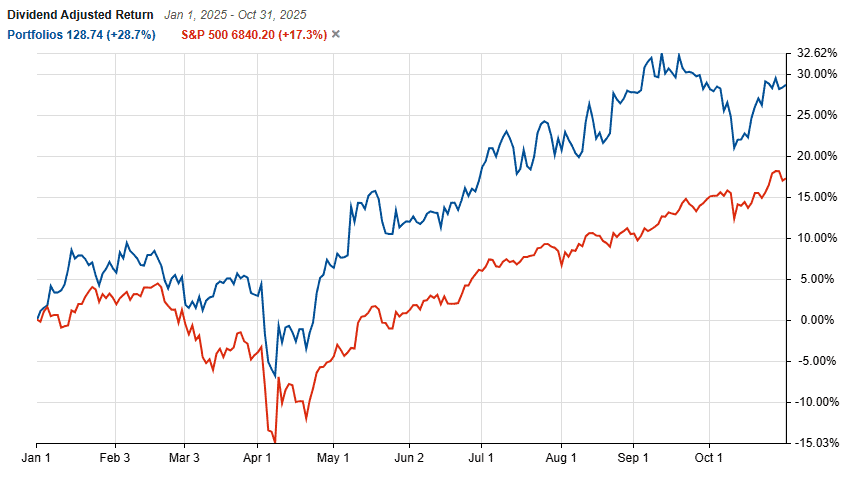
The portfolio performance is updated once a month, and tracked YTD until the end of the prior month. Performance is tracked as time weighted total return.
|
|
|
|
|
|
Upgrade to Inner Circle
- My actual Small Cap Value portfolio with highly profitable but under followed stocks and Kelly Criterion optimized weights
- Detailed investment thesis for portfolio stocks, including target prices and expected returns emailed to you as soon as published
- 1 year membership with NO auto-renewal. Repurchase membership again if you wish to continue for another year once your term completes.
|
|
|
|
|
|
|
|
|
Net-Net Stocks in 2026: Are Graham's Deep Value Criteria Still Findable?
|
|
|
|
Benjamin Graham made his career finding them. Warren Buffett called them the most reliable source of investment returns he ever found. And virtually every serious value investor has, at some point, asked the same question I asked when I first discovered them: why isn't everyone doing this? Net-net stocks, companies trading below their net current asset value, are one of …
|
|
|
|
|
|
|
|
Piotroski F-Score in Practice: How I Use It to Confirm a Value Pick
|
|
|
|
I want to be upfront about something: I do not use the Piotroski F-Score as a primary stock screen most of the time. That might surprise you, given how much ink gets spilled on Piotroski scores in value investing circles. But my process is different: I use it as a confirmation tool, not a discovery tool. Most of the cases, …
|
|
|
|
|
|
|
|
Managing Drawdowns: How I Protect Capital Without Losing Upside
|
|
|
|
In 2008, one of my portfolio positions fell 67% in four months. I had bought a small industrial company with a clean balance sheet, a long operating history, and what I thought was a conservative valuation. Then the financial crisis hit, credit markets froze, and customers stopped ordering. The stock went from $18 to $6 in the time it takes …
|
|
|
|
|
|
|
|
|
|
|
|
|